
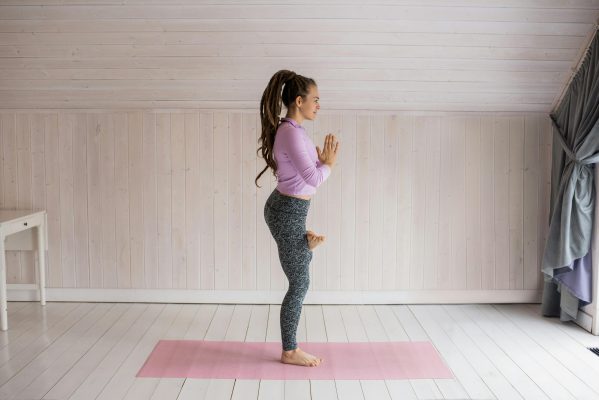
I was recently featured in Women’s Health discussing a simple test that’s been getting a lot of attention. The one-leg balance test.
At first glance, it looks almost too basic to matter.
Stand on one leg.
Hold it for as long as you can.
That’s it.
But what it shows about your body, and how you are ageing, is far more important than most people realise.
Why This Test Matters
This test is not just about balance.
It reflects how well your body works as a whole.
To stay stable on one leg, your body relies on:
-Strength
-Coordination
-Joint stability
-Nervous system control
-Focus
If one of these is lacking, it shows up straight away.
That is why this test is becoming more popular. It gives honest feedback very quickly.
What Most People Miss
Most people treat this like a challenge.
They see how long they can last and if they hit a certain time goal they never try it again
That is not the real value.
What matters is how you hold the position.
Are you steady or constantly adjusting
Does your hip shift
Does your foot collapse
Are you in control or just surviving
That tells you far more than the number itself.

What I See In Real Life
In the gym, I see this often.
Someone trains regularly. They look fit. They can lift well.
But when they stand on one leg, everything changes.
They lose control. Their posture shifts. They start compensating.
This is not a strength problem.
It is a control problem.
And over time, this is what leads to injuries, plateaus, and frustration.
Why This Becomes More Important With Age
As you get older, balance declines faster than many people expect.
Strength can stay relatively stable if you train it. Balance often does not, unless you focus on it.
That is why this test matters.
It is simple, but it highlights something that many people ignore until it becomes an issue.
What You Should Aim For
As a rough guide:
Around 30 seconds shows good balance
Under 10 seconds suggests there is something to work on
But again, do not get fixated on numbers.
Focus on control and stability first.
Anything is possible!

How To Improve It
The good news is that balance can improve quickly if you train it properly.
Start with:
Daily single-leg balance work
Slower, controlled strength exercises
Core stability training
Paying attention to how you move, not just what you lift
Consistency matters more than complexity.
The real takeaway is this.
The basics still matter most.
Simple things often tell you the most about your body.
If you pay attention to them early, you give yourself a better chance of staying strong, stable, and injury free long term.
Try the test yourself and be honest with what you see.
Your body will tell you what you need to work on.
Joseph Webb
Expert coaching. Entirely personal.
Chartered Personal Trainer | FRSPH | FCIMSPA
