
Are you a list-maker? A note-taker? The skills we use in business and to run our busy schedules are surprisingly transferrable to weight loss. Here’s how to utilise tracking to fast-track your fitness or fat loss results.
What do I mean by “tracking”?
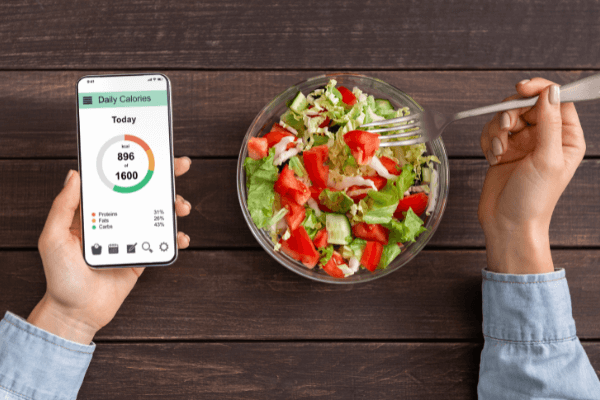
When I talk to my coaching clients about tracking, I’m referring to gathering and analysing data pertinent to their body transformation journey. Like you, my clients are smart people who are interested in the details of what makes things tick.
They might choose to track using a spreadsheet, an app, or good old pen and paper. I help them set up the tracking system, and I oversee the analysis side of things. But the power of tracking is in their hands.
What to track

– Calories from food and drink
– Macronutrients (protein, carbohydrate, fats)
– Training output (how often you train, session details, weights/distances)
– Sleep (duration and quality or general feeling)
– Weight or other measurements
– Energy levels and mood
Why tracking leads to results

This list of things to track might seem a bit excessive, but once you get used to it, you’ll see how it makes the process of changing your shape so much easier.
Compare it to saving money for a home improvement project. I imagine you’d track your spending and income, keep a budget, and analyse your savings account to see how it’s coming along.
You wouldn’t expect to improve your finances without tracking some data. It’s the same with improving your health or physique.
Tracking means you have data to work with – and you’ll know exactly what to tweak to get the result you want.
Here’s how to get started

First, decide which variables you are going to track. I suggest you start with macronutrients, training output, steps, and one body measurement.
Next, choose your method. Are you an app person or do you prefer to create spreadsheets? Your phone or smartwatch can track steps. MyFitnessPal is great for macronutrients.
Be consistent. Data works best when you limit the variables so track the same things, at the same time of day.
Assess regularly. You’ll be tracking data every day, but I recommend you analyse it every week. This way, you’ll be able to see trends.
Try and remove the emotion from tracking data like food and weight. Remember, you’re looking for trends so you can make small alterations that will keep the progress coming.
Want to start a data-driven body transformation?
My approach to fitness coaching is rooted in tracking and science, but is always adapted to the individual.
Want to start your own body transformation? Get in touch with me today.
Joseph Webb
Expert coaching. Entirely personal.
Chartered Personal Trainer | FRSPH | FCIMSPA
